Production · Ingredients 🕐 5 min read
From the Forests of Ghana to Your Bathroom Shelf: How African Black Soap and Shea Butter Are Made
Secrets passed down through generations of African women — and the heart of every Inkuto Organics product.
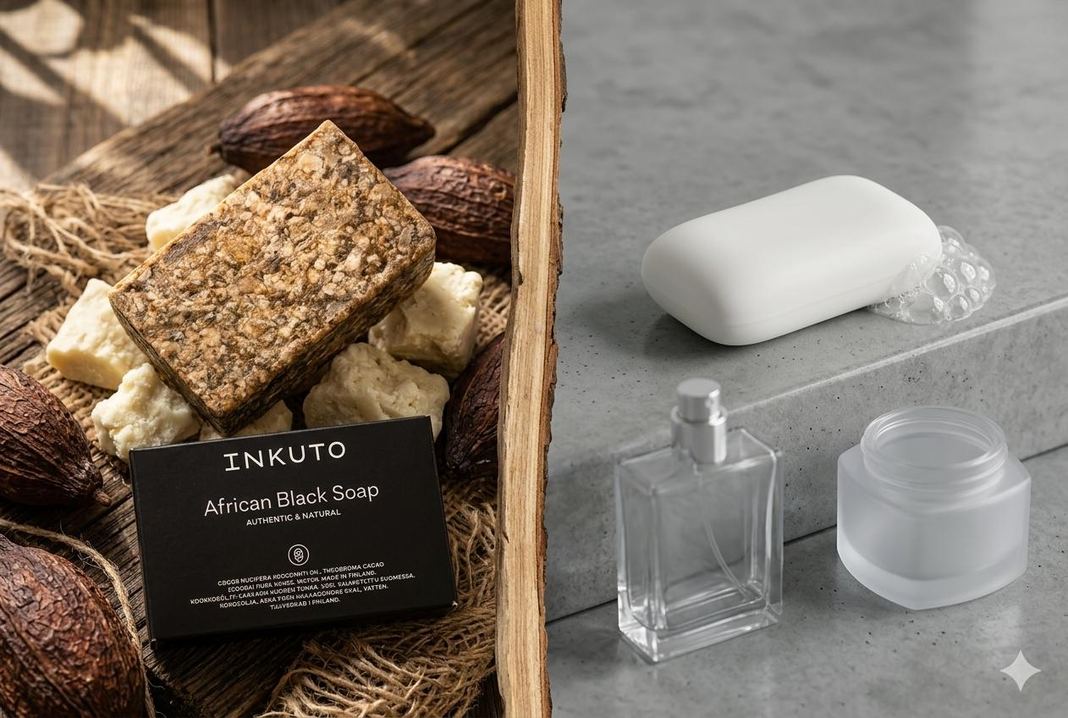
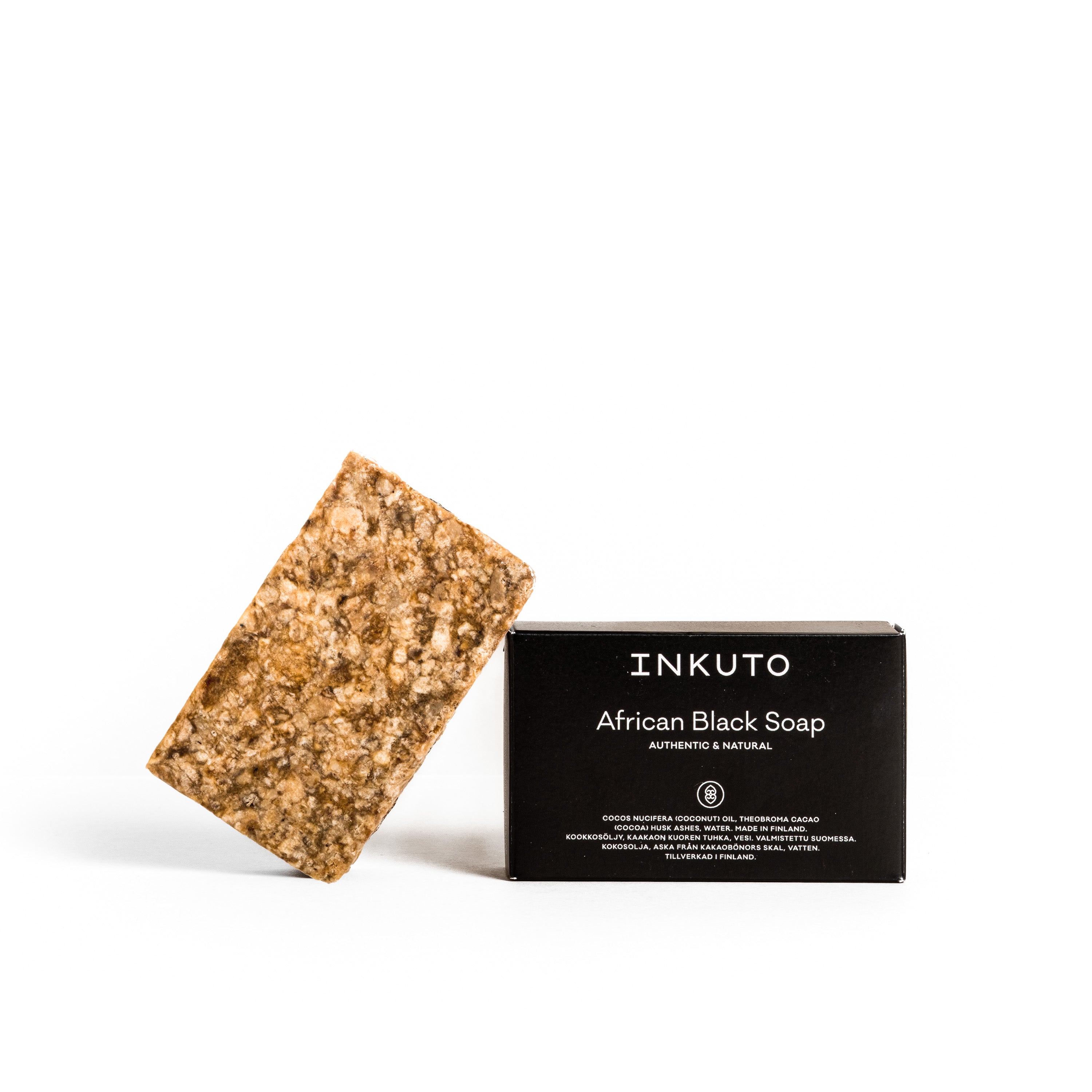
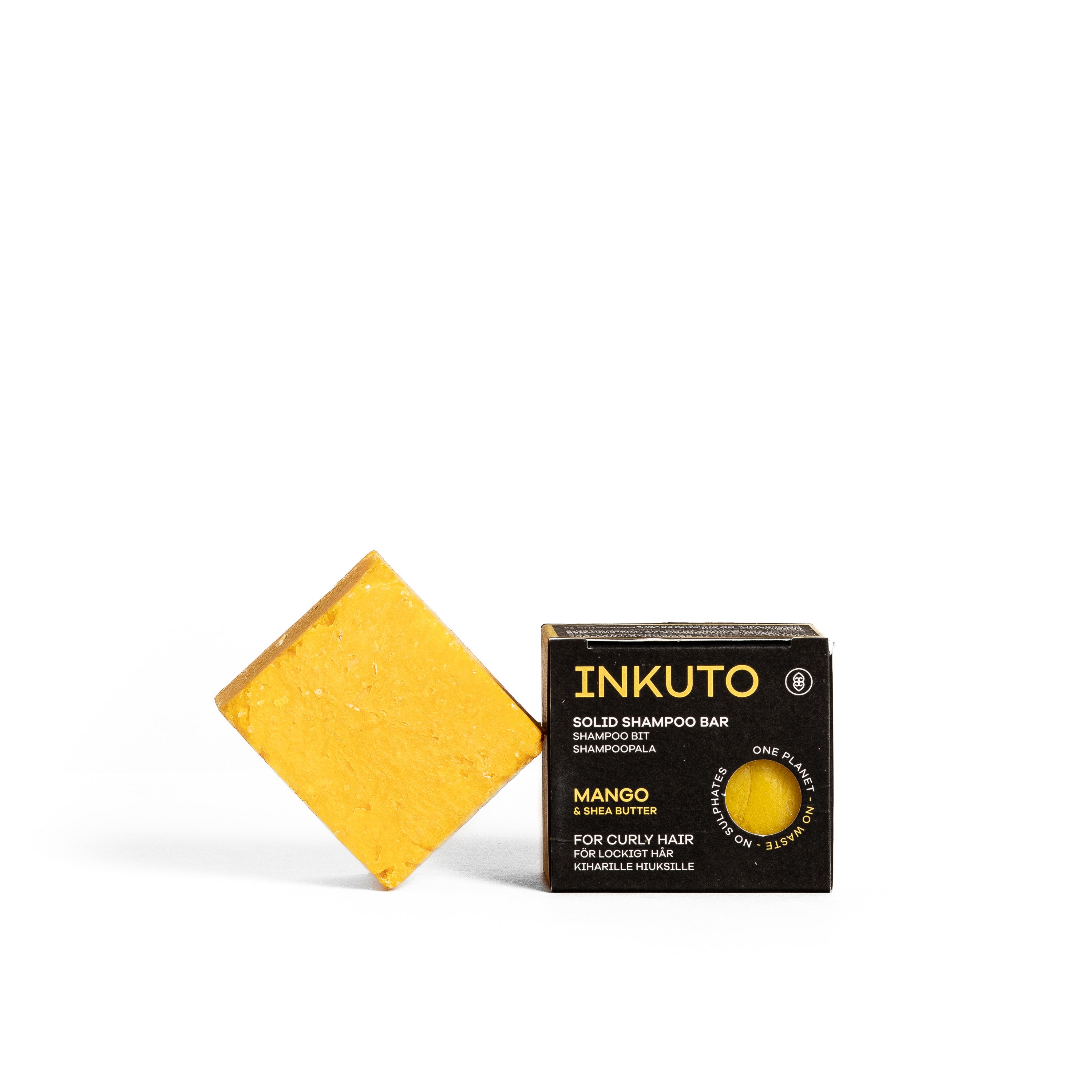
When you hold a bar of our
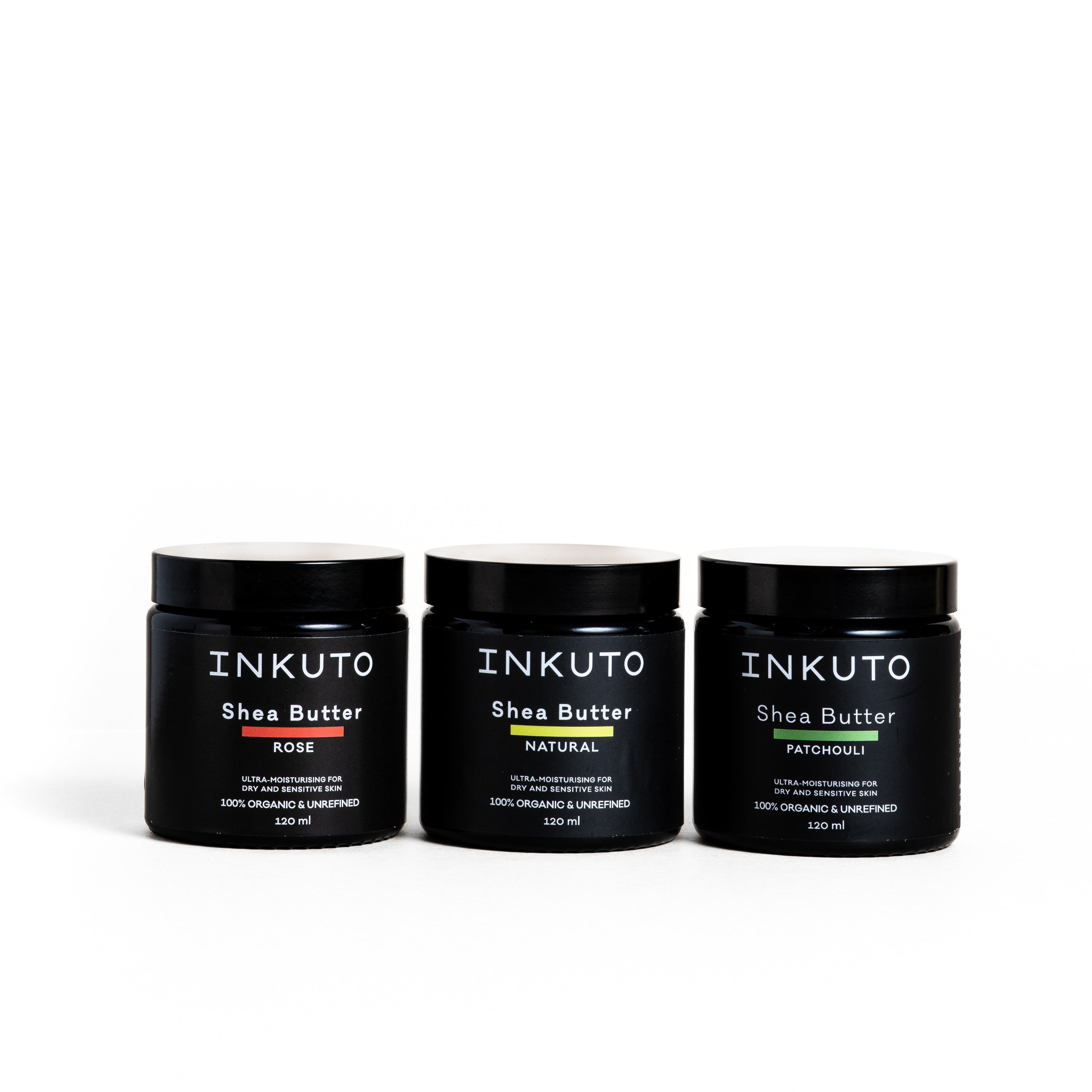
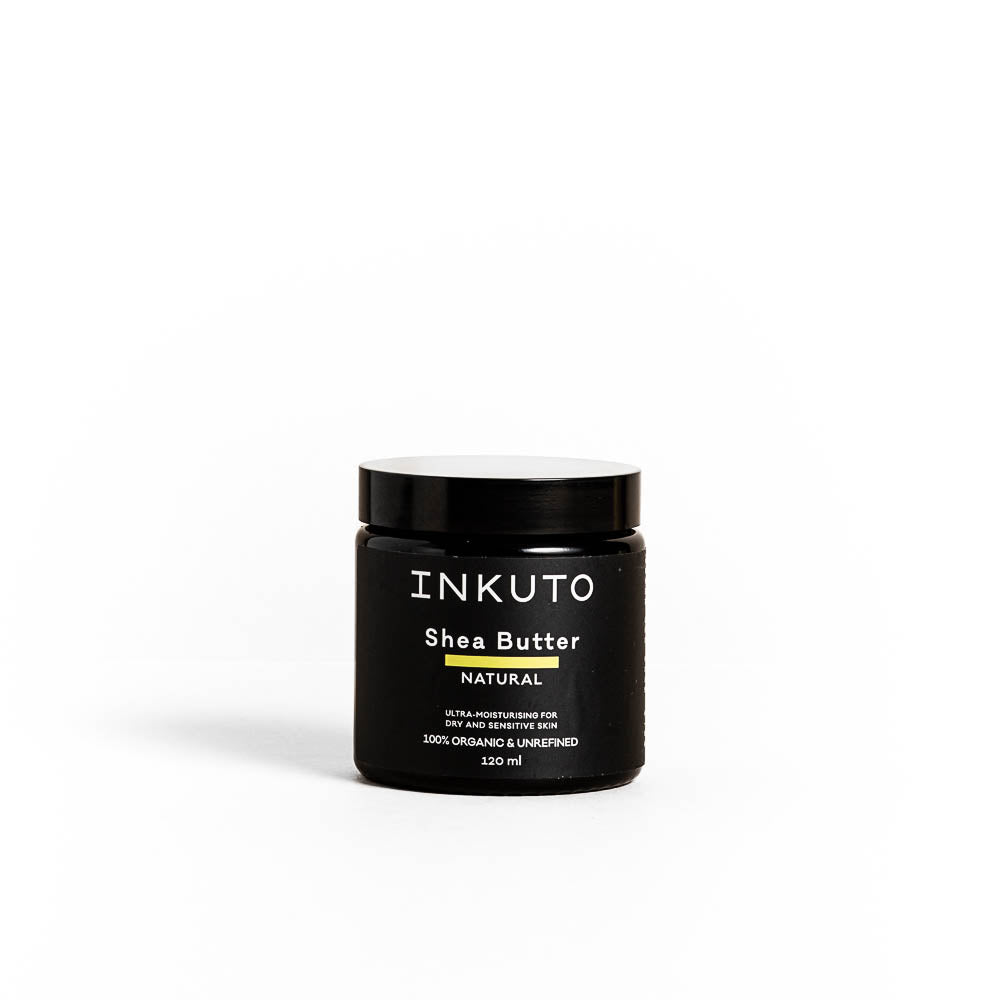
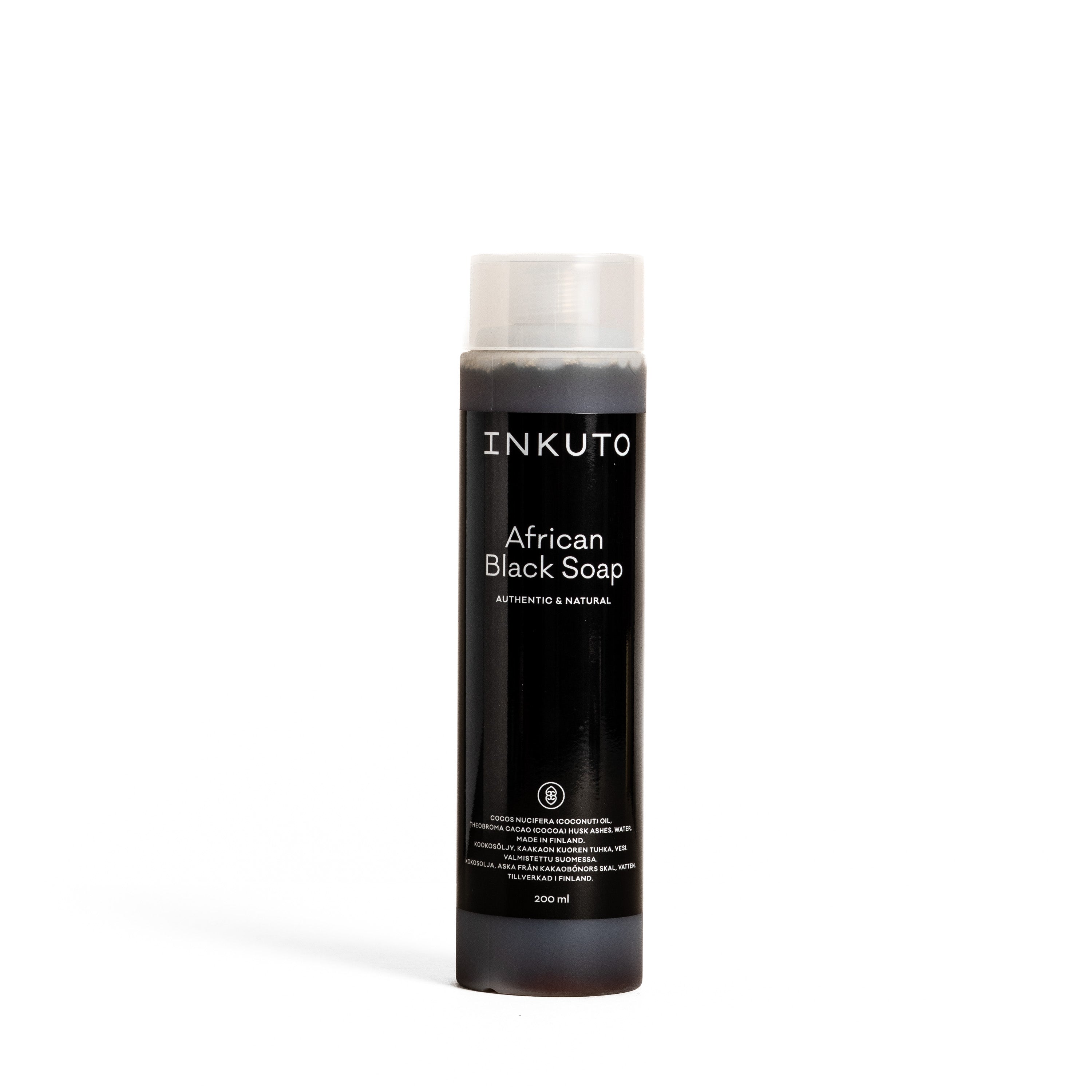
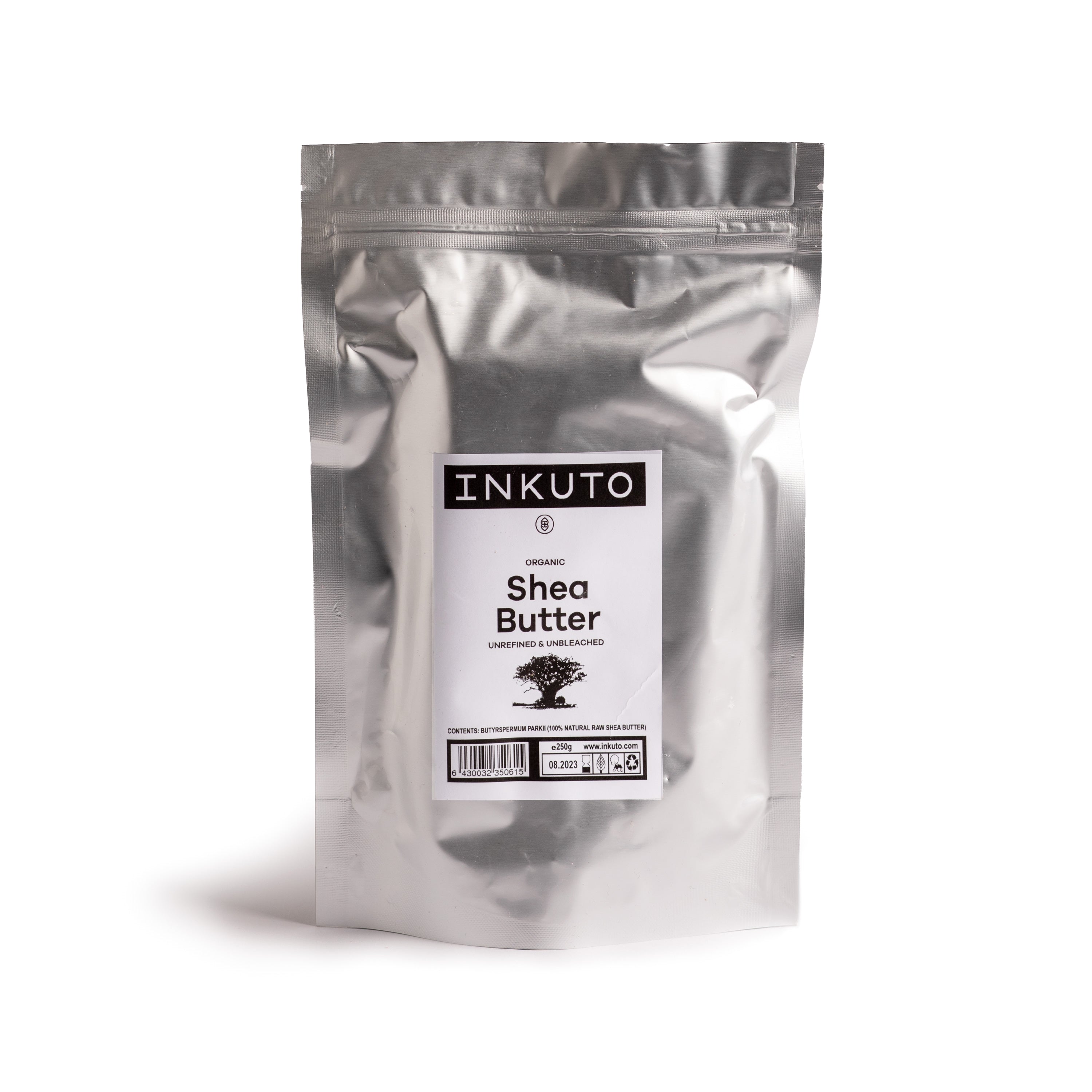
African Black Soap or open a jar of
organic Shea Butter, you're holding thousands of years of tradition. Behind every product is a story of women's cooperatives in Ghana, hands that stir for hours over open fires, and knowledge that no factory has ever been able to replicate. Here's how it all works.
🫧 African Black Soap: An Ancient Recipe
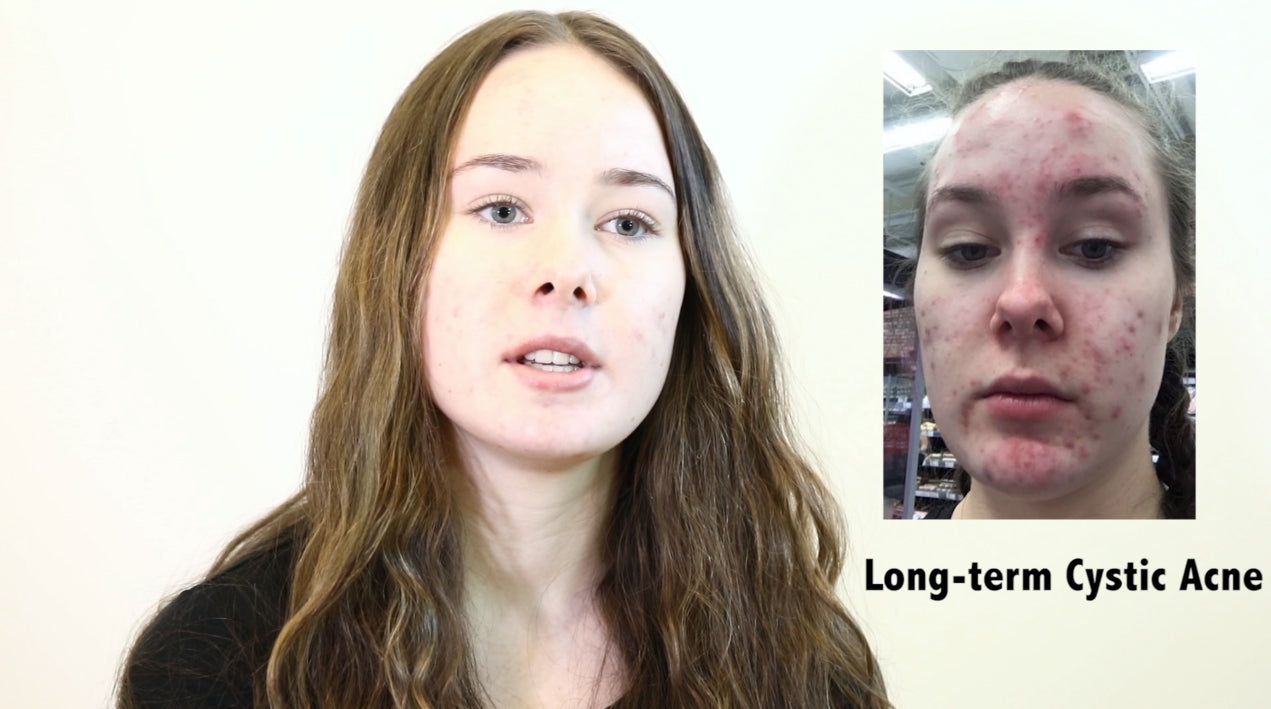
African Black Soap — known as ose dudu in Yoruba or alata simpo in Ghana — has been crafted in West Africa for centuries. It's not simply a cosmetic product; it's a cultural heritage treasure, revered for its natural effectiveness against acne, eczema, dry skin, and skin irritations.
What is African Black Soap made from?
Unlike conventional soaps made with synthetic surfactants, African Black Soap is produced from entirely plant-based ingredients: banana peels, plantain skins, palm leaves, cocoa pods, and shea tree bark. No artificial dyes, no fragrances, no preservatives — just pure botanical alchemy.
The Traditional Production Process
1
Harvest & Sun-Dry
Banana peels, palm leaves, and cocoa pods are sun-dried for several days until completely dry.
2
Burn to Ash
The dried plant matter is burned at a carefully controlled temperature, producing a mineral-rich ash — the soap's alkaline base.
3
Make the Lye
The ash is combined with water to create a natural lye — an organic alternative to commercial sodium hydroxide.
4
Add the Oils
Shea butter, palm kernel oil, and coconut oil are stirred into the lye — these form the nourishing core of the soap.
5
Stir for 24 Hours
The mixture is hand-stirred continuously for up to 24 hours. Women take turns, spelling each other through the night.
6
Cure for 2 Weeks
The finished soap is poured into moulds and left to cure for approximately two weeks before it is ready to use.
"The characteristic black colour develops naturally through the saponification process — no dyes involved. It's pure natural chemistry."
This labour-intensive, time-consuming process is exactly why genuine handmade organic black soap is so treasured in the world of natural skincare. It simply cannot be replicated in a factory — only in a village, only by hand.
🌿 Shea Butter: 8 Hours of Work in Every Jar
Shea butter is one of the most prized ingredients in natural skincare. It is extracted from the nuts of the shea tree (Vitellaria paradoxa), which grows wild across the savannah of West and Central Africa. Traditional shea butter production is a true ritual — one of collective effort, physical endurance, and generational wisdom.
8 hours for a full production cycle
4 days to roast the nuts
100% handmade, no machines
May–Aug harvest season in Ghana
How Shea Butter Is Made: Step by Step
Harvest (May–August). Women from cooperatives hand-pick shea nuts during the fruiting season. It's a communal effort — entire villages come together for the harvest, which represents a vital part of the local economy.
Boiling and roasting. The freshly collected nuts are first boiled, then roasted. The roasting process alone takes around four days and requires constant monitoring of temperature to develop the right flavour and consistency in the final butter.
Cracking and grinding. Once cooled, the shells are cracked open by hand and the kernels are ground — traditionally using stone mills — into a thick, dark brown paste.
Kneading with water — the most demanding stage. The paste is vigorously worked with water by hand for several hours. Women take turns, as the process demands continuous physical effort. Gradually, a white foam forms — this will become the raw butter.
Melting, filtering, and cooling. The raw butter is melted down, steam-purified, then left to cool slowly. The result is a creamy, ivory-coloured butter with a warm, nutty aroma — rich in vitamins A, E, and F.
🌍 Ghana → Helsinki: The Journey of an Inkuto Product
Shea butter and African Black Soap, produced by women's cooperatives in Ghana, travel to Inkuto's factory in the Herttoniemi district of Helsinki. There, also by hand and in small batches, they are transformed into creams, shampoos, soaps, and serums.
No mass production lines. No synthetic shortcuts. Just tradition, strengthened by Finnish dedication to quality and care.
🤝 Behind Every Product — Real People
At Inkuto, production is never just logistics. The Ghanaian widows and women from vulnerable communities who produce our raw ingredients receive fair compensation for their skilled work. This enables them to support their families and provide their children with a proper education — in a country where the social position of widows has historically been extremely difficult.
Since 2022, Inkuto has been developing an additional initiative: a purpose-built production facility in southern Ghana where people with disabilities will have the opportunity to participate in making both raw materials and finished handcrafted products. At least 10% of Inkuto's profits are pledged to support this development.
When you choose Inkuto natural skincare, you're not just choosing a product — you're supporting an entire chain of real people whose names and faces Inkuto's founder, Edem Agbekey-Taylor, knows personally.